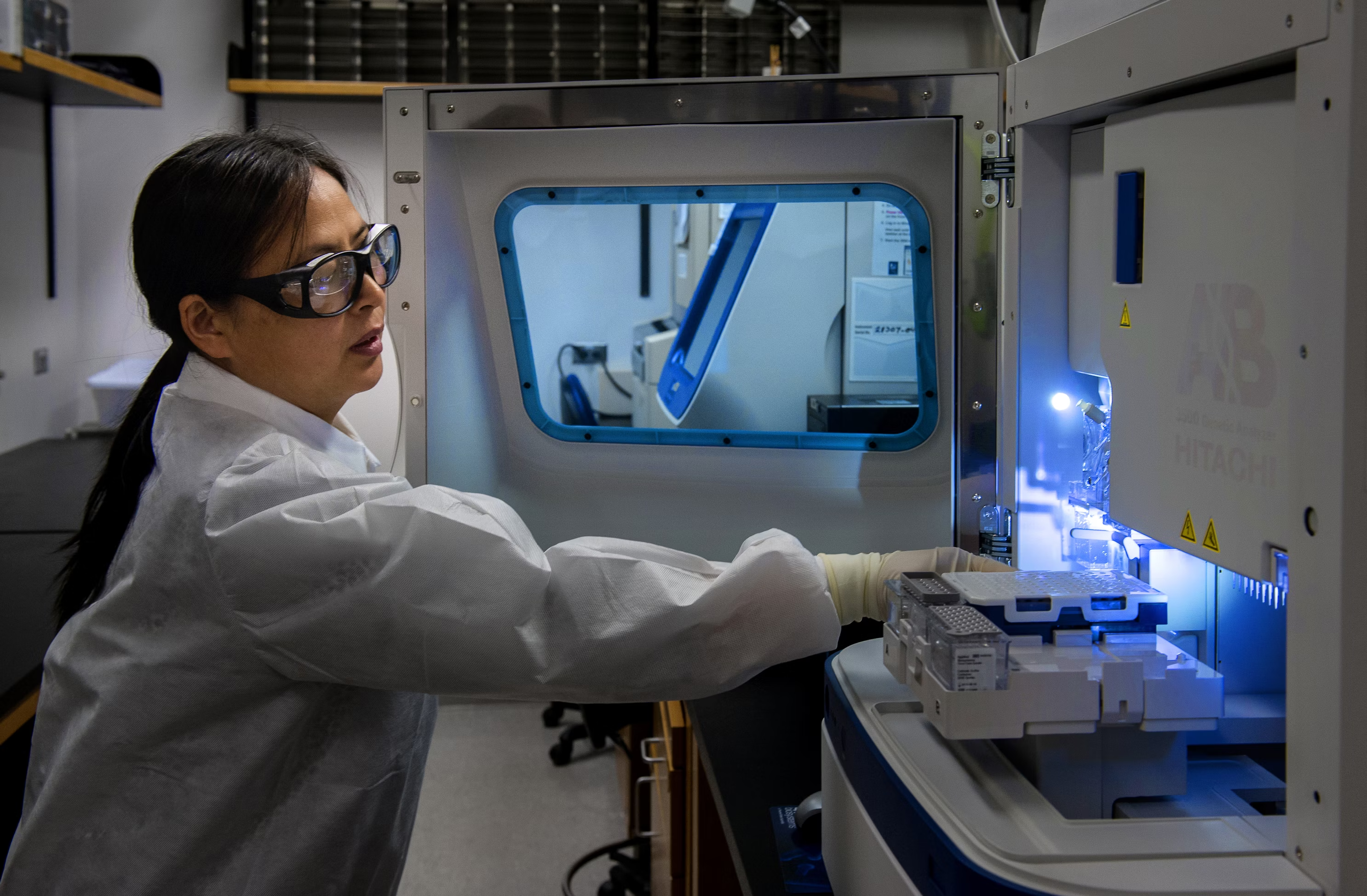
Precision Healthcare: Transforming Modern Medicine with a Personal Touch
Precision healthcare, often referred to as personalised medicine, represents a groundbreaking shift in how we approach medical care. Unlike traditional methods that apply generalised treatments, precision healthcare tailors medical decisions to each person's unique genetic makeup, lifestyle, environment, and health history. It’s a thoughtful, patient-centered approach designed to predict, prevent, and treat diseases with greater accuracy and empathy.
By making the best use of cutting-edge technologies such as genetic testing, artificial intelligence (AI), and big data analytics, precision healthcare has the potential to create treatments that are not only more effective but also minimise unnecessary risks. This innovative model treats patients as individuals rather than statistics, redefining how we think about health and well-being.
What Is Precision Healthcare?
At its core, precision healthcare is a tailored medical approach that uses advanced tools and data to customise care for individual patients. Moving away from a one-size-fits-all approach, this model adjusts treatments to fit the unique biological and lifestyle factors of each person. It enables healthcare providers to make more informed and targeted decisions, leading to better health outcomes.
The process involves:
- Genomic Insights: Analysing a person’s genetic information helps uncover susceptibility to certain conditions and predicts how they will respond to specific treatments.
- Data and Technology: Advanced AI algorithms and data analytics process vast amounts of medical information to deliver highly accurate diagnoses and treatment plans.
- Targeted Therapies: Treatments are tailored down to the molecular level, ensuring they address the specific characteristics of a patient’s condition.
- Preventative Care: By identifying risks linked to genetics, lifestyle, and the environment, precision healthcare takes a proactive approach to ward off potential illnesses.
This approach not only improves the quality of care but also aims to make the healthcare experience more inclusive and patient-centred.

Benefits of Precision Healthcare
Precision healthcare offers numerous advantages over traditional methods. Let's explore some of its most notable benefits:
1. Improved Outcomes
By focusing on individual differences, precision healthcare enhances the likelihood of successful treatments. For example, in oncology, genetic profiling of tumours enables doctors to choose the most effective therapies for their patients.
2. Reduced Side Effects
Tailored treatments minimise exposure to unnecessary medications, lowering the chances of side effects. For instance, pharmacogenomics, a branch of precision healthcare, studies how an individual’s genetics affect their reaction to medications. This ensures patients receive drugs that are both safe and effective for them.
3. Proactive Prevention
Precision healthcare emphasises prevention by identifying risk factors for diseases before they develop. Healthcare providers can recommend lifestyle changes or early interventions to prevent conditions like heart disease or diabetes, offering patients a chance at healthier, longer lives.
4. Cost Efficiency
Although the upfront costs of precision tools like genetic sequencing may seem high, the long-term savings are significant. By reducing trial-and-error treatments, avoiding unnecessary hospitalisations, and preventing diseases, precision healthcare can contribute to a more efficient healthcare system.
Key Applications Across Medicine
Precision healthcare isn’t limited to just one area—it has diverse applications across the medical field. Each use case highlights the approach’s potential to revolutionize care:
1. Oncology
Cancer treatment is one of the most advanced applications of precision healthcare. By analysing the genetic makeup of tumours, oncologists can personalize therapies, improving effectiveness and dramatically reducing instances of ineffective treatments.
2. Cardiology
Genetic testing can identify patients at risk for heart conditions, allowing for targeted prevention strategies. This could mean dietary guidance or early medical interventions that reduce the likelihood of severe cardiac events.
3. Maternal and Neonatal Care
Precision healthcare helps expectant mothers by identifying genetic risks early in pregnancy. This enables doctors to recommend preventative therapies, improving outcomes for both mother and child.
4. Rare Diseases
Often hard to diagnose, rare diseases can benefit immensely from advanced genetic testing. Precision healthcare offers hope to patients who might otherwise endure years of misdiagnoses or uncertainty.
5. Pharmacogenomics
This branch of precision healthcare ensures that medications are matched to a patient’s genetic profile. It prevents adverse drug reactions and ensures that the medicine prescribed is the most effective choice available.
The Impact of Precision Healthcare
Precision healthcare is reshaping the medical landscape, transforming lives and opening up new possibilities. For patients, it represents a shift toward personalised care—treatments designed with their unique needs in mind. Precision medicine minimises conflicting effects by considering factors like genetics, environment, and lifestyle while increasing the likelihood of successful outcomes. It empowers individuals with tailored solutions, fostering trust, hope, and a sense of agency in their healthcare journeys.
For healthcare systems, precision healthcare's efficiency represents a transformative breakthrough. By moving away from trial-and-error methods and focusing on streamlined, targeted treatments, resources are used more effectively. This can lower long-term costs, reduce strain on medical infrastructures, and improve access to high-quality care for a broader population. Beyond immediate benefits, precision healthcare also contributes to advancing medical research, as data from individualised treatments deepens our understanding of human health and disease at the molecular level.
At its heart, the true potential of precision healthcare lies in its ability to connect science with compassion. It bridges gaps—between innovation and humanity, technology and empathy, and patient needs and provider capabilities. It represents a future where healthcare is inclusive, adaptable, and deeply attuned to the diverse experiences of individuals. This isn’t just a technical evolution; it’s a thoughtful, patient-centred approach to medicine that prioritizes accessibility, understanding, and meaningful impact.

The Future of Healthcare, Today
Precision healthcare represents more than just a medical advancement—it’s a transformative shift that places individuals at the heart of care. By harnessing innovative technology and tailoring treatments to the unique needs of each person, it bridges the gap between cutting-edge science and compassionate care.
Singapore is making strides in precision medicine with the bold PRECISE-SG100K initiative, aimed at sequencing the genetic and health data of 100,000 Singaporeans. Backed by the National Research Foundation and Ministry of Health, this project unites leading institutions like the Lee Kong Chian School of Medicine, the National University of Singapore, the Singapore Eye Research Institute, and the National Heart Centre. Together, they’re advancing personalized healthcare by identifying how genetic, social, environmental, and lifestyle factors influence health.
A key feature of PRECISE-SG100K is its dedication to inclusivity, involving participants from Singapore’s diverse Chinese, Malay, and Indian communities. This ensures that the findings represent the entire population, addressing gaps in global health research. Data collected—ranging from cholesterol levels to cognitive assessments—will help uncover the drivers of diseases like diabetes, cancer, and hypertension.
By leveraging Singapore’s advanced healthcare infrastructure and collaboration across disciplines, the initiative aims to revolutionize prevention, diagnosis, and treatment. Its findings could yield significant insights globally, making Singapore a leader in reshaping healthcare to serve both individuals and diverse populations worldwide better.
AI has become a cornerstone of precision healthcare, but it’s important to recognise that impactful precision doesn’t always rely on artificial intelligence. Precision healthcare can equally result from well-designed systems, meticulous data management, and innovative software that empower healthcare professionals to make informed, data-driven decisions. At Megrez, we leverage our expertise in AI R&D and software development to deploy innovative software solutions that can help with driving precision healthcare. Personalized and efficient patient care can be enabled through advanced data analysis and predictive technologies.